
Narrative Lectionary Key Verse for Today
“The Lord saw that the wickedness of humankind was great in the earth, and that every inclination of the thoughts of their hearts was only evil continually. And the Lord was sorry that he had made humankind on the earth, and it grieved him to his heart.”
NL Daily Devotion for Sunday, September 13, 2026
by Dr. Kimberly Leetch, Clergy Stuff
Main Idea: We have been tasked with managing the violence of humanity as we lean into God’s promise that all people are God’s people.
God was grieved by the violent nature of humanity. After being thrown out of the Garden of Eden, people struggled to find food, clothing, and shelter. It’s easy to see how humanity could turn violent so quickly. Fear and desperation can stop people from using their critical thinking skills, and the necessity of peaceful community can seem less important than survival. Although this grieved God, God chose not to eliminate humanity. Instead, God made a covenant with Noah and his descendants (presumably all humanity, as Noah’s family were the only remaining people on the earth). God would never again destroy the world by flood, and Noah’s family would belong with God.
It's likely that God still did not want humanity to be sinful or violent. Although God made a covenant with Noah not to solve the problem of violence with the utter destruction brought about by God’s grief and wrath, the problem of violence remained. As humanity continued to be violent, it would be up to Noah and his descendants to manage the problem of violence. It seems this may be part of God’s covenant; God handed the responsibility for human affairs back to humans.
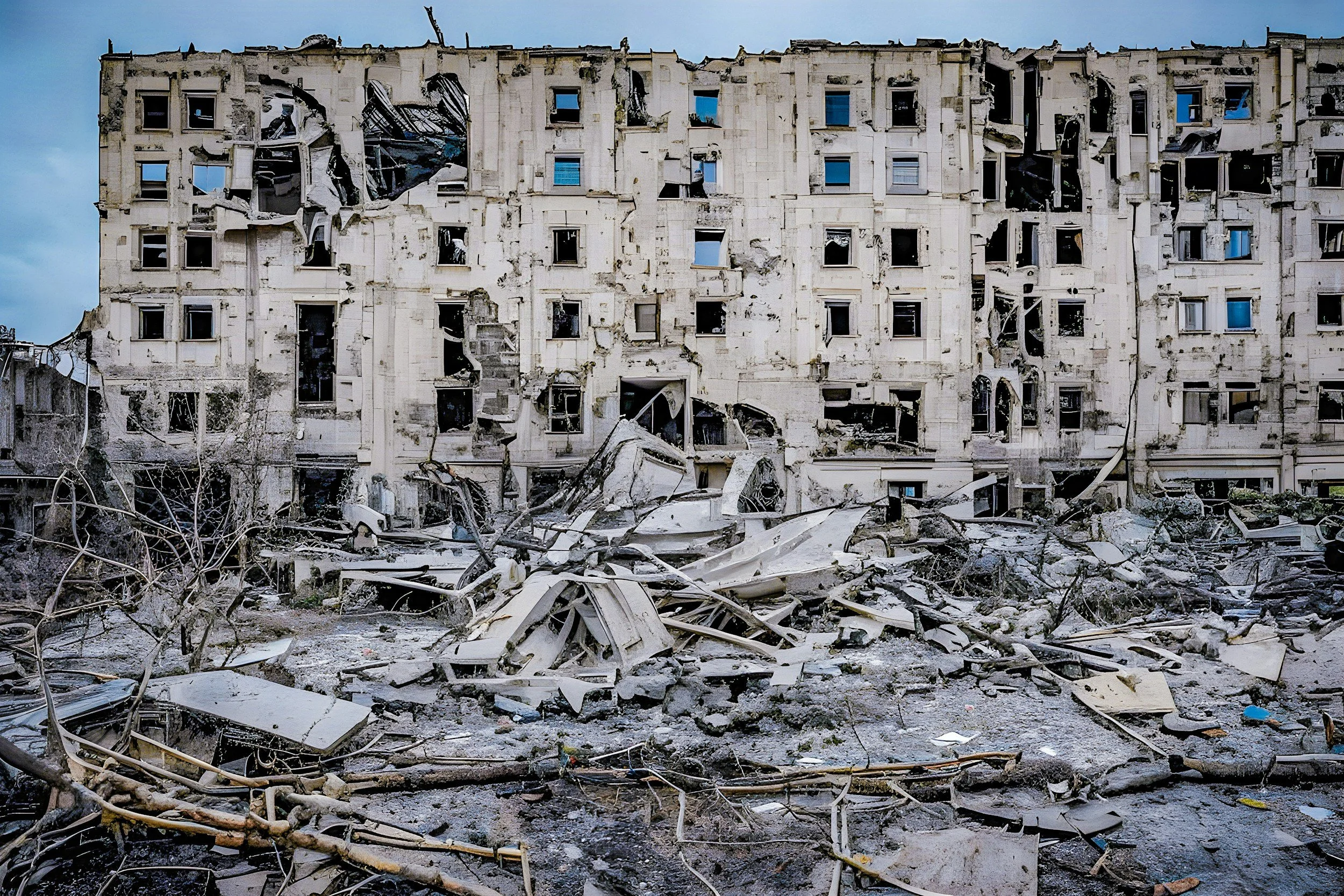
We’re living in a culture right now that seems to have forgotten its responsibility to manage its violence. The entire world feels different, as if the reins and boundaries that had been restraining humanity’s darker nature have been broken through. It’s frightening just to walk through the world, particularly since the polarization of ideologies has drawn us farther from each other. Not only might we be afraid for our physical safety, but now we are also reluctant to engage in conversations with strangers and sometimes even friends and family out of fear that constructive disagreements might fall to violence of words or fists.
Even Christianity itself has fallen to polarization of ideologies. We wonder, “what kind of Christian are you?” This polarization makes it difficult even to lean into faith for answers. Remember the core of God’s promise and the implication that we are now responsible for carrying out God’s mission to curb violence and find another way to settle our disputes.
How might you contribute to peaceful resolutions within your various communities?



![Joshua 24:1-15, [16-26] , Joshua Renews the Covenant](https://images.squarespace-cdn.com/content/v1/56b39b61ab48de92d991a40a/0ffc8a56-1bdc-4136-adf0-eceee6fb6264/26-10-18.jpg)